Author name: digitalisha257@gmail.com

Digital Isha Jain is a certified freelance digital marketer in Mumbai, helping businesses grow online with effective strategies in SEO, social media marketing, content creation, and paid ads. With expertise in building strong online presence, I help startups and small businesses reach the right audience, generate leads, and boost sales. Whether you’re looking to strengthen your brand visibility or increase conversions, I deliver customized digital marketing solutions tailored to your business goals

Uncategorized

How AI is Changing the Future of Marketing?

Artificial Intelligence (AI) is no longer just a buzzword — it’s the backbone of modern marketing. From personalized customer experiences to automated campaigns and predictive analytics, AI has completely transformed how brands communicate, create, and convert. As digital marketing continues to evolve, understanding how AI is reshaping the landscape isn’t optional — it’s essential. Let’s explore how AI is redefining marketing and why businesses that embrace it are the ones leading the future. 1.Smarter Personalization Gone are the days of generic ads and one-size-fits-all strategies. AI enables brands to analyze customer data and behavior patterns in real time, helping marketers deliver highly personalized content, offers, and product recommendations. 2.AI-Powered Chatbots & Customer Support Customer support has become faster, smarter, and more accessible with AI-powered chatbots. These bots can handle thousands of queries simultaneously, providing instant, 24/7 responses — all while maintaining a human-like conversational tone. For brands, this means improved user experience and reduced operational costs. For customers, it means quick solutions and seamless interactions. 3.Predictive Analytics for Better Decision-Making AI can process vast amounts of data far faster than any human could. With predictive analytics, marketers can forecast trends, customer behavior, and campaign outcomes. This means instead of guessing what might work, marketers can use data-backed insights to make strategic decisions — saving time, resources, and budget. 4.Content Creation & Optimization AI tools are now assisting marketers in creating high-quality content faster than ever. From generating blog outlines to optimizing SEO keywords and analyzing tone, AI tools like ChatGPT, Jasper, and Copy.ai are helping marketers scale their content strategies efficiently. However, human creativity still plays a crucial role. The key is to combine AI efficiency with human emotion — the perfect mix for impactful storytelling. 5.Smarter Ad Targeting AI’s ability to analyze user data allows platforms like Meta and Google Ads to target audiences with pinpoint accuracy. It studies user behavior, interests, and engagement patterns to show ads that truly matter to the right people at the right time. This not only boosts ROI but also ensures that marketing budgets are used efficiently — every click counts. 6.Enhanced Email Marketing Automation AI-driven email tools help businesses send personalized emails based on user actions, preferences, and purchase history. With predictive send times and subject line optimization, AI ensures your emails land exactly when and where they should — increasing open rates and conversions. 7.Voice Search & Conversational Marketing Voice search is on the rise, thanks to AI-powered assistants like Alexa, Siri, and Google Assistant. This shift means marketers must now optimize for conversational keywords and natural speech patterns to stay relevant. As AI continues to evolve, conversational marketing will become a key way for brands to connect with audiences more authentically. 8.The Future: Human + AI Collaboration The future of marketing isn’t about AI replacing humans — it’s about collaboration. AI handles the data and automation, while humans focus on creativity, strategy, and emotional storytelling. Brands that learn to balance both will stay ahead of the competition and build deeper, more meaningful connections with their audiences.
Uncategorized

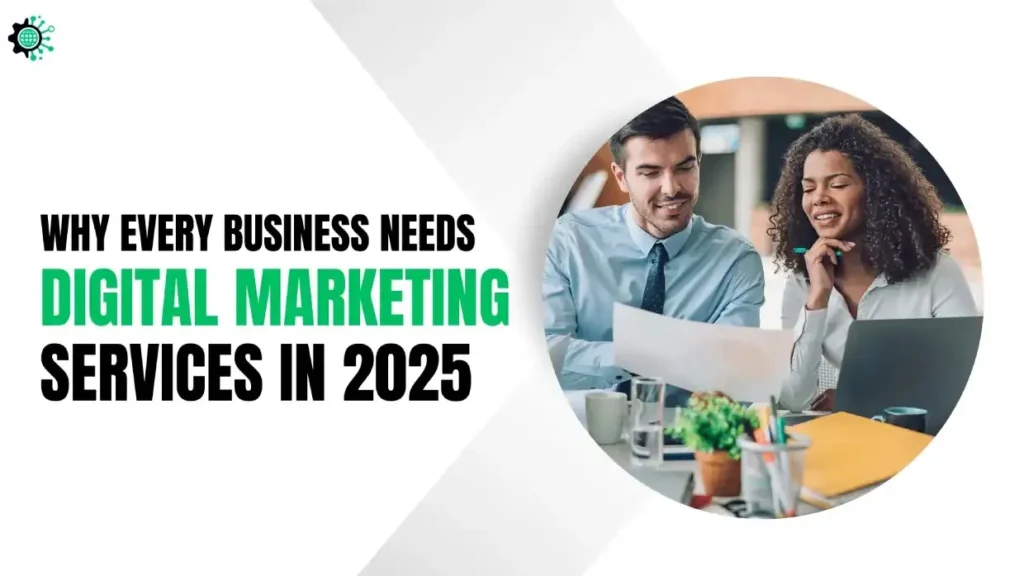
Why Every Small Business Needs Digital Marketing in 2025?

In today’s fast-paced, tech-driven world, having a great product or service isn’t enough—your customers need to find you first.And in 2025, that means being present and active where people spend most of their time: online.This is exactly where digital marketing steps in to help small businesses thrive. 1.Your Customers Are Online Gone are the days when potential buyers flipped through phone directories or relied solely on word of mouth.Today, consumers search Google, scroll social media, and read online reviews before making a purchase.If your business isn’t visible online, you’re practically invisible to a huge portion of your audience. 2.Cost-Effective Marketing Traditional advertising like TV, newspapers, and billboards can be expensive and hard to measure.Digital marketing, on the other hand, allows you to: Whether through Facebook ads, Google Ads, SEO, or email marketing, you can get measurable results without breaking the bank. 3.Builds Trust and Brand Loyalty Consumers today value transparency, helpful content, and genuine connections.By sharing valuable tips, responding to queries, and showcasing customer stories, you can build trust and turn first-time buyers into loyal customers. 4.Data-Driven Decisions One of the biggest advantages of digital marketing is real-time feedback.You can track: Final thoughts In 2025, digital marketing isn’t optional—it’s essential.It helps small businesses increase visibility, attract the right customers, and compete effectively in an increasingly digital marketplace.The sooner you invest in a strong digital marketing strategy, the sooner you’ll see measurable growth.

Uncategorized

What is digital marketing?

Digital Marketing: The Heartbeat of Modern Business Growth In today’s fast-paced, internet-driven world, digital marketing isn’t just a business strategy—it’s a necessity. Whether you’re a start-up looking to make your mark or a well-established brand aiming to maintain your relevance, the way you market online can make or break your success. Digital marketing is the use of online channels such as search engines, social media, email, and websites to connect with potential customers. It’s the art (and science) of reaching the right audience at the right time with the right message. Unlike traditional marketing, which relies on print ads or TV commercials, digital marketing is interactive, measurable, and adaptable. You can track results in real-time, adjust campaigns instantly, and reach a global audience without massive budgets. The Key Channels of Digital Marketing Let’s break it down like a playlist of powerful tools: 1. Search Engine Optimization 2. Content Marketing Content marketing is a digital marketing strategy where you create and share valuable, relevant, and consistent content to attract and engage your target audience — with the ultimate goal of driving profitable customer action. Instead of directly selling, content marketing focuses on educating, informing, or entertaining people so they naturally become interested in your brand. 3.Social Media Marketing Social Media Marketing (SMM) is the use of social media platforms like Instagram, Facebook, LinkedIn, Twitter (X), TikTok, and YouTube to promote your brand, products, or services — while building relationships with your target audience. It’s more than just posting pictures or updates — it’s about creating a strategy that attracts attention, engages people, and drives them to take action (like visiting your website, signing up, or making a purchase). 4.Email Marketing Email marketing is a digital marketing strategy that involves sending commercial messages via email to a targeted audience. It’s a form of direct marketing used to promote products, build relationships with customers, and drive sales. By sending emails to subscribers, businesses can announce new products, share discounts, and provide updates, ultimately fostering customer loyalty and engagement.  5. Search Engine Optimization Search Engine Marketing (SEM) is a form of online marketing focused on increasing a website’s visibility in search engine results pages (SERPs) through paid advertising. It’s often synonymous with Pay-Per-Click (PPC) advertising. SEM encompasses all activities aimed at promoting a website through search engines, including both paid and organic methods.  6.Influencer Marketing Influencer marketing is a form of social media marketing where businesses collaborate with online influencers to promote their products or services. These influencers, individuals with a significant following and perceived expertise, endorse the brand to their audience, leveraging their credibility and reach. This strategy aims to tap into the influencer’s existing audience, build brand awareness, and drive sales. Why Digital Marketing Matters Unlike traditional marketing, digital marketing is measurable. You can see how many people clicked your ad, read your blog, or signed up for your newsletter in real time. It’s cost-effective, scalable, and—perhaps most importantly—targeted. You don’t just shout into the void; you whisper directly to those who care.  It’s Not Just About Tools—It’s About Strategy What separates a digital marketer from someone just posting on Instagram? Strategy. Digital marketing requires a clear understanding of customer behavior, data analytics, content trends, and platform algorithms. It’s a constantly evolving puzzle—one that rewards creativity, timing, and insight.  The Future is Digital From AI-driven ads to voice search optimization and virtual reality campaigns, digital marketing is only growing more powerful. Whether you’re a startup or a global enterprise, your online presence can make or break your success.  Final Thoughts Digital marketing is no longer optional—it’s essential. It’s where creativity meets data, and where businesses meet the world. Whether you’re selling handcrafted jewelry or running a SaaS company, digital marketing is your bridge to the global stage. So next time you see a sponsored Instagram post or get an email that makes you click “Buy Now,” remember: that’s not just luck. That’s digital marketing—smart, strategic, and seamlessly woven into your daily digital life.

Scroll to Top